


Understanding Long Island's Storm Risks
Long Island's geographic position makes it uniquely vulnerable to a range of severe weather events. Nor'easters bring punishing winds, heavy rain, and sometimes significant snowfall from fall through spring. Summer and early fall bring the risk of tropical storms and hurricanes that can track up the Atlantic coast and make direct impact on Nassau and Suffolk counties. Even ordinary thunderstorms can produce damaging wind gusts, hail, and localized flooding.
Superstorm Sandy in 2012 demonstrated the devastating potential of a major storm hitting Long Island. Communities along the South Shore, from Long Beach to the Rockaways, suffered catastrophic damage. But even homes miles inland experienced roof damage, fallen trees, and prolonged power outages. The lesson is clear: every Long Island homeowner needs a storm preparation plan, regardless of how far they live from the water.
Inspect and Secure Your Roof
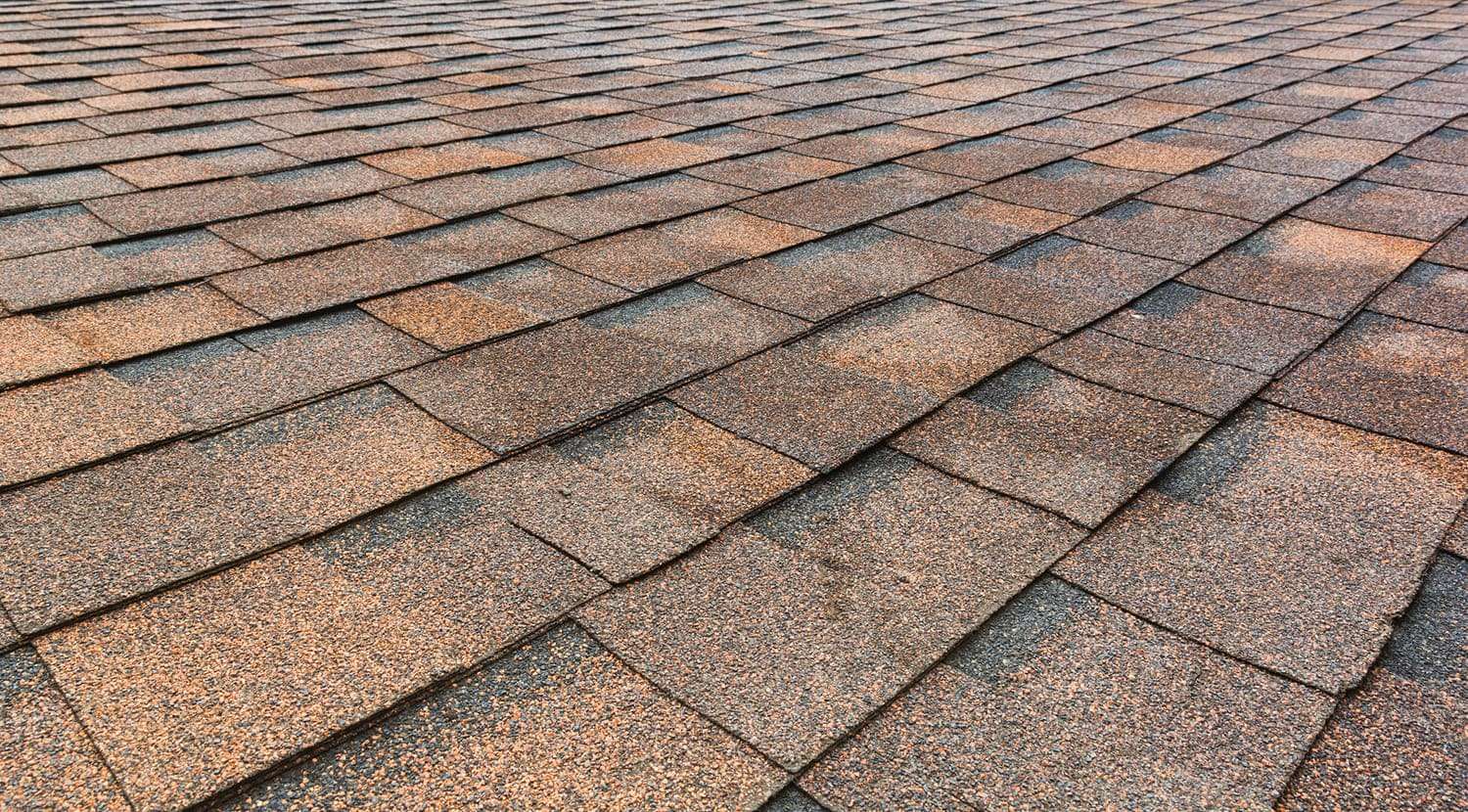
Your roof is your home's first line of defense against storms, and it takes the most direct punishment from high winds and driving rain. Before storm season, have a professional inspect your roof for missing, cracked, or loose shingles, damaged flashing, and deteriorated seals around vents and pipes. Addressing these issues before a storm is far less expensive than repairing water damage after one.
If your roof is more than 15 years old, consider having it inspected by a qualified roofing contractor who can assess its remaining useful life. Modern architectural shingles from manufacturers like GAF are rated for wind speeds of 130 mph, significantly outperforming the basic three-tab shingles found on many older Long Island homes.
Ensure that your gutters and downspouts are clear and firmly attached. Clogged gutters cannot handle the volume of water that storms produce, leading to overflow that can damage fascia boards, soffits, and the foundation. Extend downspouts at least four feet from the foundation to direct water away from the house.
Protect Your Windows and Doors
Windows are a critical vulnerability during storms. High winds can drive rain through deteriorated seals, and flying debris can shatter glass. Inspect the caulking and weather stripping around all windows and doors, and replace any that has cracked, peeled, or pulled away. This simple maintenance step can prevent significant water intrusion during driving rain.
If your home still has single-pane windows, upgrading to impact-resistant or laminated glass replacement windows provides dramatically better protection against both wind-driven rain and debris. Even without impact glass, modern double-pane windows with proper seals and hardware are far more storm-resistant than older windows.
For sliding glass doors and large picture windows, consider installing storm shutters or having plywood cut and pre-drilled for quick installation when a storm approaches. Label each piece so you can mount them quickly when warnings are issued.
Evaluate Your Siding and Exterior
Your siding protects the structure of your home from water, wind, and debris. Walk the perimeter of your home and look for loose, cracked, or missing siding panels. Vinyl siding that has come loose from the wall can catch wind like a sail and peel away in sheets during a storm, exposing the sheathing to rain. Repair or replace damaged sections before storm season.
Check the condition of your soffit and fascia, the trim that runs along the roofline. Damaged soffit allows wind-driven rain into the attic and can provide an entry point for wind to get under the roof deck. Replace any deteriorated sections promptly.
Examine the areas where different materials meet, such as where siding meets stone veneer or where a deck attaches to the house. These transition points are common spots for water infiltration and should be properly flashed and sealed.
Yard and Landscape Preparation
Trees and loose objects in your yard become projectiles in high winds. Have a certified arborist inspect large trees on your property, especially any with dead branches, split trunks, or signs of disease. Remove dead trees and limbs that could fall on your home, cars, or power lines during a storm. Pay particular attention to trees within striking distance of your roof.
Before any forecasted storm, bring inside or securely anchor all outdoor furniture, grills, planters, garbage cans, and decorative items. Even a lightweight plastic chair can become a dangerous projectile in 60 mph winds. If you cannot bring items inside, lay furniture flat on the ground in a sheltered location and cover with a tarp weighted down with sandbags.
Emergency Preparedness Essentials
Beyond protecting the physical structure of your home, prepare for the possibility of extended power outages and disrupted services. Long Island Power Authority outages after major storms can last from hours to weeks. Assemble an emergency kit with flashlights, batteries, a battery-powered radio, a first aid kit, medications, bottled water for at least three days, non-perishable food, and a manual can opener.
If you have a sump pump in your basement, a battery backup system is a critical investment. Your sump pump runs on electricity, and if the power fails during the heavy rains of a storm, your basement can flood. A battery backup keeps the pump running during outages when you need it most.
Get Your Home Storm-Ready
Brothers Aluminum has been helping Long Island homeowners protect their homes for over 40 years. From roof inspections and siding repairs to window upgrades, we can address the vulnerabilities in your home before storm season arrives. Call 516-872-0947 or contact us online for a free assessment.